20 July 2026
How long should tummy time actually last?
Most advice about tummy time comes with a number attached, and the number is where parents start feeling like they are failing. So how long should tummy time actually last?
Short answer, and it is more forgiving than you would think: a minute or two, a few times a day, is plenty at the beginning. It builds up on its own as your baby gets stronger. And when it is going badly, ten seconds that ends happy is worth more than two minutes that ends in tears. Stop before the meltdown, so the memory stays a good one, and come back to it later.
This episode covers what tummy time is actually for. Lifting the head builds the neck and shoulders. Pushing up on the arms wakes up the back and the middle. It is the quiet groundwork for rolling, for sitting, for reaching.
And the part a lot of parents are waiting for: the baby who hates it. Protest at the start is normal. Lying on your front is hard work when you are new to it, a bit like an adult being asked to hold a plank. There are also real reasons a baby is uncomfortable on their tummy: reflux, a gurgly tummy, colic, or tight neck muscles known as torticollis. The episode describes strategies to help with the baby that doesn't like tummy time.
The golden rule does not move: awake and supervised, always. Tummy time is for playtime, never for sleep. When it is time to rest, it is back to the back.
Topics covered: tummy time, how long tummy time should be, baby hates tummy time, reflux and tummy time, colic, torticollis, flat head, head shape, neck strength, rolling, paediatric physiotherapy, gross motor development, Campbelltown, Macarthur, NSW.
Read more from Aderet Therapy
Sources behind this episode
Royal Children's Hospital Melbourne. Raising Children Network. Australian 24-hour Movement Guidelines. Aderet Therapy: Tummy time, is it really important?
In this episode
- 00:00 - Intro
- 01:51 - Song: Little and Often
- 05:11 - Tips for tummy time
- 07:31 - Song: Down on the Floor
- 10:51 - When you have a fussy baby
- 13:32 - Song: Strong Little One
- 16:52 - When to seek help
Contact
- Website: aderettherapy.com.au
- Phone: 02 4949 7276
- Address: Suite 10, 261 Queen Street, Campbelltown NSW 2560
Support lines
- Pregnancy, Birth and Baby: 1800 882 436
- NDIS early childhood: 1800 800 110
- PANDA and Beyond Blue for the emotional load. 13YARN 13 92 76 for Aboriginal and Torres Strait Islander parents.
Disclaimer
The voices in this podcast are AI.
You might also like

How They Move
A song about quality of movement - two children the same age, both not walking yet, and why how a child moves says more than when they get there.

Do milestone charts miss the things that matter most?
Do milestone charts miss how a child moves? Why quality of movement matters more than ticking a box, plus what AAC is and who it is for.

How do I help my child roll?
How do I help my baby roll? A paediatric physiotherapist breaks rolling into motivation, gravity and strength, with simple ways to set each one up at home.

Tummy time... Is it really important?
Why tummy time matters for your baby's development, plus 5 alternative positions when your infant resists. Expert advice from paediatric physiotherapists in Campbelltown.
What is a Physiotherapist's role in non-verbal population?
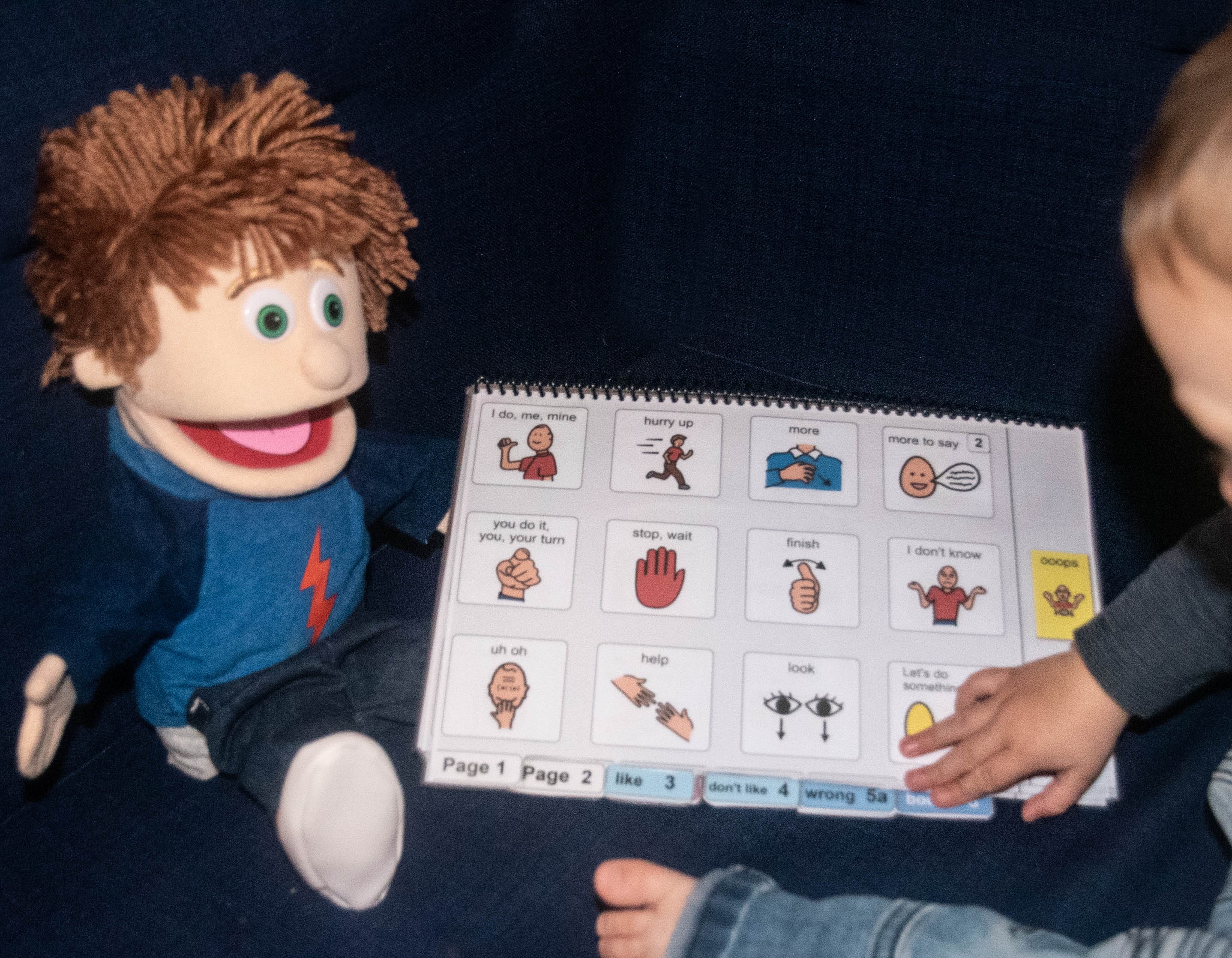
How paediatric physiotherapists support communication in non-verbal children through posture, motor control, and AAC system access. Why interdisciplinary collaboration produces better outcomes.