27 August 2026
What is the best shoes for my toddler?

We all want to help our little toddlers start to walk and learn to balance. So what is the best shoe to support this? There are many ideas and products out there that claim that they are the best for supporting children to walk. But how is the best way to separate the real thing from the fad?
First, lets break it down to the basics. What does a child need to learn to walk and learn to balance. A huge part of learning to walk and refining our balance is feeling where we are positioned. This is called proprioception and involves all of the sense in our muscles and joints that help us know how our body is positioned. This is new for a baby and so they need lots of bare skin exposure to build this awareness of the boundaries of their body. Babies use proprioception when learning to walk to help them refine their walking technique. If I move this way I fall over … but if I move that way I stay steady. They are constantly receiving lots of information particularly from their foot and ankle that helps them figure out what upright feels like and how to remain steady.
Why barefoot is best
This is the reason that experts say that barefoot is best when learning to walk and refining your balance. The sensory receptors are much more sensitive when you are barefoot, wearing socks or shoes will interfere with the signal. However, you can't always be barefoot so what is the best option for shoes.
Flexible vs rigid soles
A recent study has demonstrated that flexible shoes are preferred to rigid shoes for helping develop the finer movement when walking. As we step, the ankle moves flexibly and a shoe that supports the development of a smooth rock from ankle to forefoot will help refine the skill and build balance. There are two things to be aware of though:
Firstly, a flexible shoe that your baby's foot slides around in is counterproductive. Some options out there that are soft soled socks or soft flexible shoes do not have adequate support to reliably hold your babies foot in the right position. They can literally swivel around. In this case, it is better to have a well fitting shoe rather than a shoe that is so flexible that it is sliding around. This can become a tripping hazard and a shoe that moves around will feed incorrect sensory information that can slow down your child's ability to feel where they are.
Second, this is all based on the assumption that your child is developing typically and not experiencing any difficulties. Many children who are hyperflexible in the knee or ankle or have weakness through the calves and glutes benefit from different features within a shoe. One feature is having a small built in heel meaning the sole of the shoe under the heel is thicker than under the toes. This helps a child learn how to orient their body over their legs and achieve a better alignment.
When a small heel helps
One little known fact is that as adults we do not stand with our legs exactly straight. In order to stand upright, we need a slight bend in the knee that helps our centre of gravity fall through the middle of our foot. This is usually achieved by a slight bend in the ankle. This is also why babies learning to stand frequently fall over backwards. They haven't figured out how to keep their body weight forward. A small heel pushes our centre of gravity forward and promotes good alignment through your legs. This is often why as adults, we are much more comfortable in shoes with a small heel rather than shoes that are completely flat.
So in our children that are weak or hyperflexible through the knee or ankle, the best way to provide a little bit of targeted help is to start with a small heel. It provides guidance on how they need to align their body over their feet without providing too much support to stop them developing the skill. Instead of expecting their muscles to hold the body in the right position, the shoe is providing them with a little bit of help.
There are other strategies that can be used if your child needs more assistance to become stable to walk or stand and many of these strategies involve tailoring footwear including orthotics. This is best done under the guidance of a physiotherapist or podiatrist to ensure that your child's skeletal structure is developing as they should and they are learning the correct ways to move. As mentioned before too much support can stop your child developing properly. So your child does need a tailored program with the right dosage to encourage rather than halt development.
You might also like
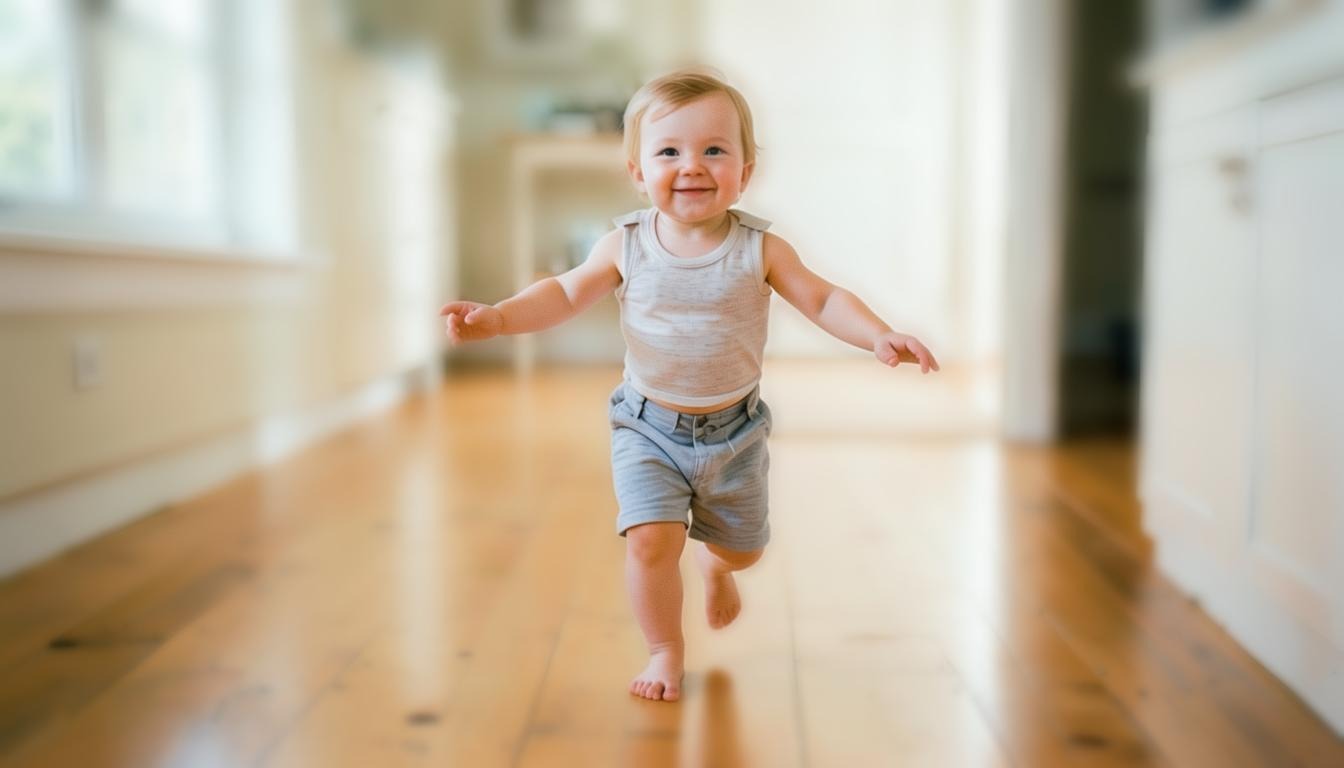
Oh no! My toddler has flat feet
Are flat feet normal in toddlers? A paediatric physiotherapist explains the fat pad that hides the arch, a simple tip-toe check to try at home, and when to seek assessment.
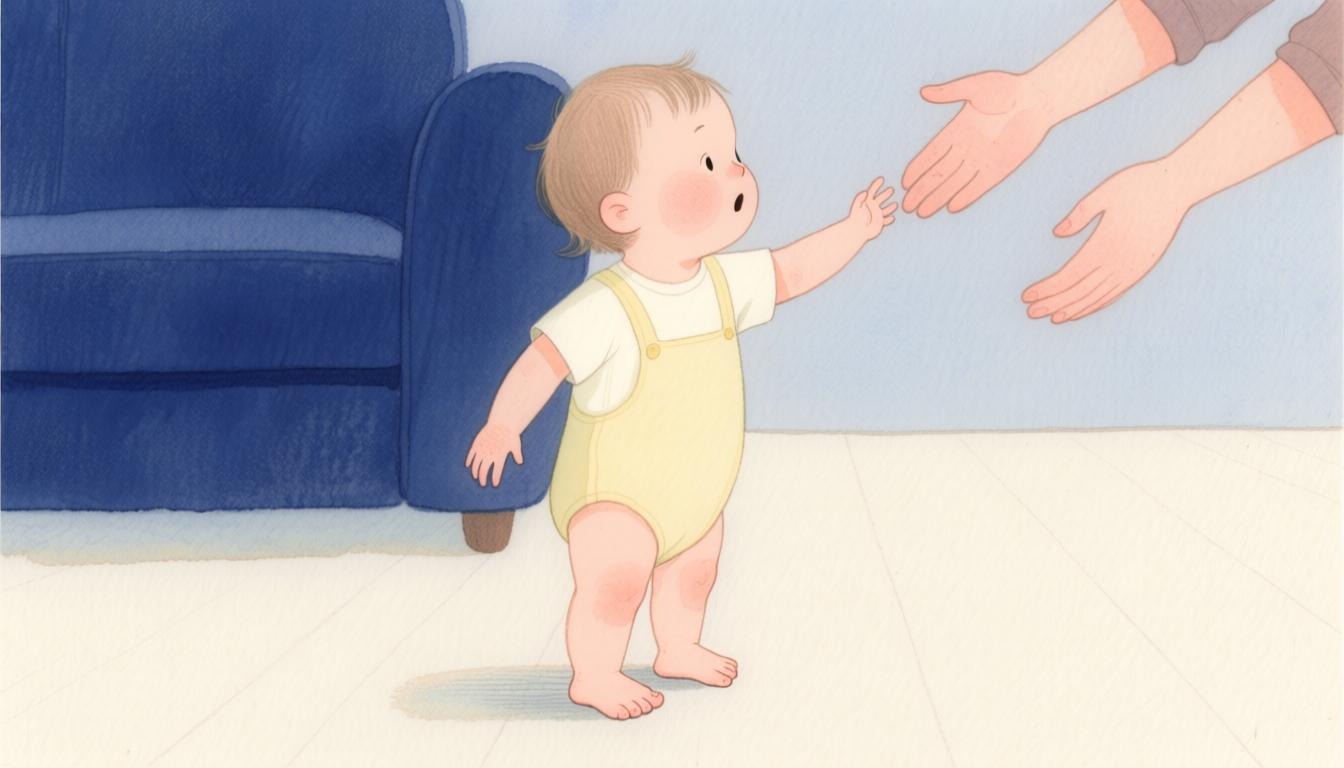
When should my child start walking?
When should my child start walking? A paediatric physiotherapist explains the 12-18 month window, the four things first steps need, and when to seek an assessment.

Is bum shuffling bad?
Is bum shuffling a problem? A paediatric physiotherapist compares crawling vs bum shuffling, explains the strength differences, and what it means for your child's development.