11 September 2026
When should my child start walking?
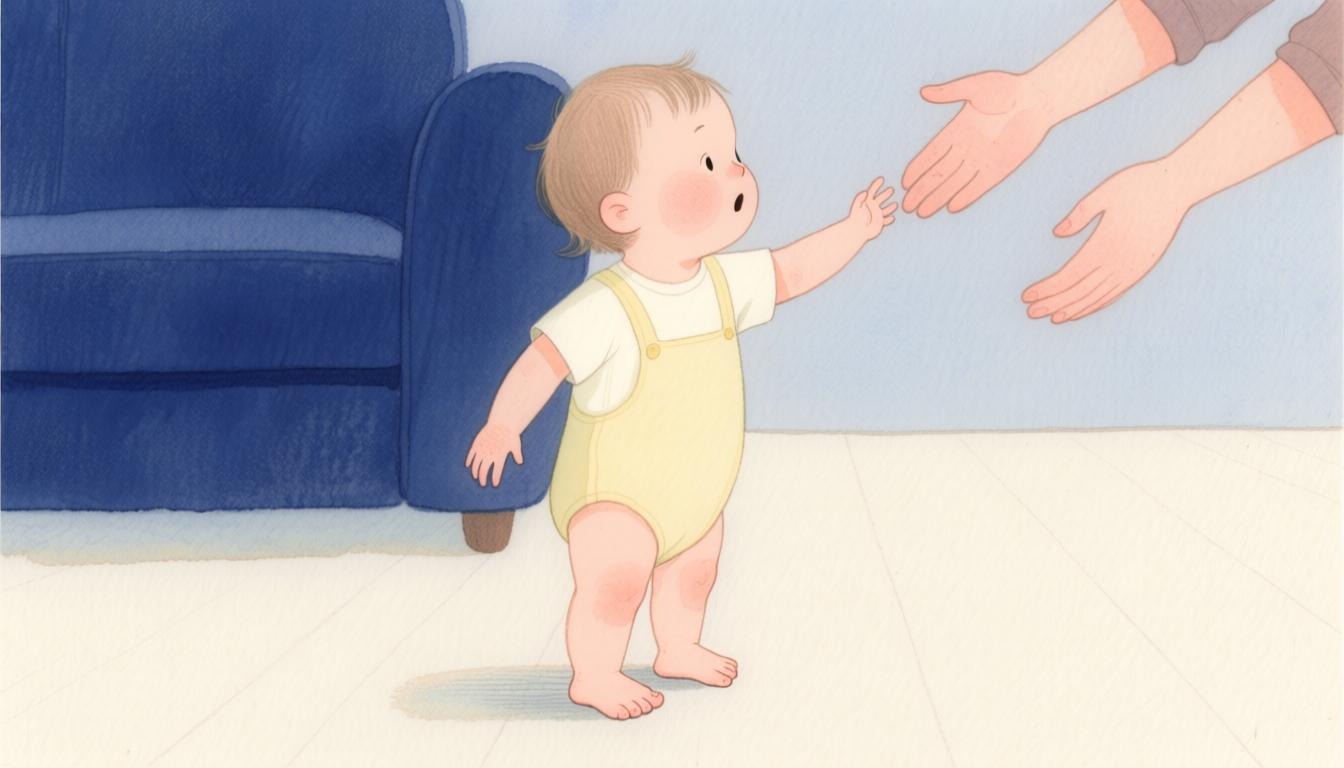
As parents, we are so excited about our little one taking their first few steps. We can often wonder what can we do to help them. Are they on track or is something wrong? Today, we will take the mystery out of those first steps and break down how and when this should occur.
Recommendations
Firstly, let me state: developmental milestones are a guide not a recipe. Some kids hit them early and some hit them later and that is not an issue. They are there though to give a broad guide to help you figure out whether there is something wrong or if your little tacker just needs extra time. When looking at a child taking their first steps, this can happen anytime between 12 months and 18 months. Generally, we say if they aren't walking on their own by 18 months, it may be worthwhile looking into whether there is a reason they are not walking yet. The reality is there are many issues that can stop or slow a child learning to walk and identifying them early is the key.
Breakdown walking
We are getting ahead of ourselves. Let us look at walking. To take their first steps, a child has to have a few things going for them. They need adequate strength, they need proper alignment, they need the motor plan for stepping and they need the confidence to step. This is a completely new skill for them. Everyday, they see people around them walking but up till now, they have always had the support of other people. This is something new.
Troubleshooting
Let's break into these four points one at a time starting with strength. When walking, a little one must be strong in their glutes, calves and core strength (abdominals). Most toddlers have good core strength after practicing tummy time, rolling, crawling and sitting. These gross motor skills all require good core strength and stability. If your child was floppy and struggled to learn these skills, it is possible that this is where they are getting stuck. The most common reason is weakness in glutes (bottom muscles) and calves. Unfortunately, these muscles aren't needed much when playing on the floor, but they are very important when upright on your feet. The main way to build strength is being upright, cruising along furniture, coming up on toes, kneeling on the floor and stepping up stairs. Kids needs lots of practice to build up the strength of these muscles before they will have the strength to stand independently and step on their own.
The next thing is proper alignment. A child's skeletal system undergoes a huge amount of change throughout the early years particularly at the hip, knee and ankle. If your child has a history of hip dysplasia or has had to use a brace this will delay their walking. If they have more flexibility at the knee it is much harder to stand upright by yourself. This can be seen when they are standing at a couch or with an adult. Look at whether their knees lock backwards in standing. The last thing is the ankle. The joints in the ankle are just beginning to form when a toddler begins standing, cruising and walking. Some children are born with extra flexibility in their foot. This isn't a problem on its own, but when they first start to stand on their own, it can feel like they are standing on jelly because their ankles are too flexible.
Next is the motor plan. There is a natural instinct that teaches stepping. We all have a reflex as a baby called the stepping reflex which mimics stepping. It moves one leg at a time. When a child starts walking, this reflex guides them to move one foot at a time in a controlled fall. The part some kids get stuck in is getting started. To step you need to lift your leg which means you have to shift weight over onto the other leg. This is why cruising around furniture is so important. This teaches the final step of walking to little kids. It helps them practice the art of stepping before the fear of falling.
Which brings us to the final step which is confidence. The reality is walking for the first time can be scary. Some kids are daredevils that go straight for it, fall and get straight back up again. But most kids need a confidence boost to take their first steps. There are many strategies to help with confidence but the reality is the child needs to be able to go at their own speed. This is where encouraging them to take a step or two towards you from the couch can be the key. Or encouraging them to take one or two steps from one parent to the other. This provides a safe place for them to try. Also sometimes taking the pressure off by giving them the chances to experiment without the fear of failure. Step back and see what they do.
What to do about it
Taking those first steps is an exciting time for any little tacker. Celebrate with them every wobble. Remember the wobble has to happen before they can learn to be steady. If you are still concerned that your child is not quite walking yet, this is when an assessment by a paediatric physiotherapist can be beneficial. We can have a look at how your child is moving and provide insights into what may be stopping your child from literally taking that next step. Walking is just a step on the journey and the journey keeps going on from there.
You might also like
Oh no! My toddler has flat feet
Are flat feet normal in toddlers? A paediatric physiotherapist explains the fat pad that hides the arch, a simple tip-toe check to try at home, and when to seek assessment.
How do I help my child roll?
How do I help my baby roll? A paediatric physiotherapist breaks rolling into motivation, gravity and strength, with simple ways to set each one up at home.
Why are growing pains not caused by growing?
Growing pains are not caused by growing. What helps sore legs at night, when leg pain needs checking, and when a child should start walking.
How They Move
A song about quality of movement - two children the same age, both not walking yet, and why how a child moves says more than when they get there.
Cri Du Chat: Cat's cry syndrome
What is Cri Du Chat syndrome? A paediatric physiotherapist explains the chromosome 5 deletion, the low muscle tone and speech delay behind it, and how physio helps.